
Top 3 Must-Have Supporting Parts for Vehicle-Specific Android Car Stereo Retrofits
A vehicle-specific Android car stereo retrofit is usually presented as a head unit purchase. In practice, the head unit is the least variable component of the project. What decides whether an installation ends with a factory-looking dashboard, or with visible trim gaps, dashboard fault codes and unresponsive steering wheel buttons, is the supporting hardware around the screen.
This guide ranks the three must-have supporting parts for vehicle-specific Android retrofits by installation need and by project type: the Car Radio Dash Fascia, the Car Radio Wiring Harness, and the CAN Bus Decoder Module. Each ranking is justified with published product facts, including ABS construction, AWG 20–22 tinned oxygen-free copper conductors, and CAN 2.0A / 2.0B protocol support. The parts described here are produced by Shenzhen Zhongyixing Electronic Technology Co., Ltd (ZYX), a Shenzhen-based manufacturer of car radio fascia kits, wiring harnesses and CANBUS decoder solutions, founded in 2017 and exporting 80% of its output to Russian and European markets.
The short answer for buyers who only need the ranking: by installation need the order is 1. Car Radio Dash Fascia (ZYX-01), 2. Car Radio Wiring Harness (ZYX-02), 3. CAN Bus Decoder Module (ZYX-03). By functional impact on CAN-equipped vehicles the order changes, because a wrong or missing decoder can disable steering wheel controls and trigger dashboard fault codes across an entire batch rather than in a single car.
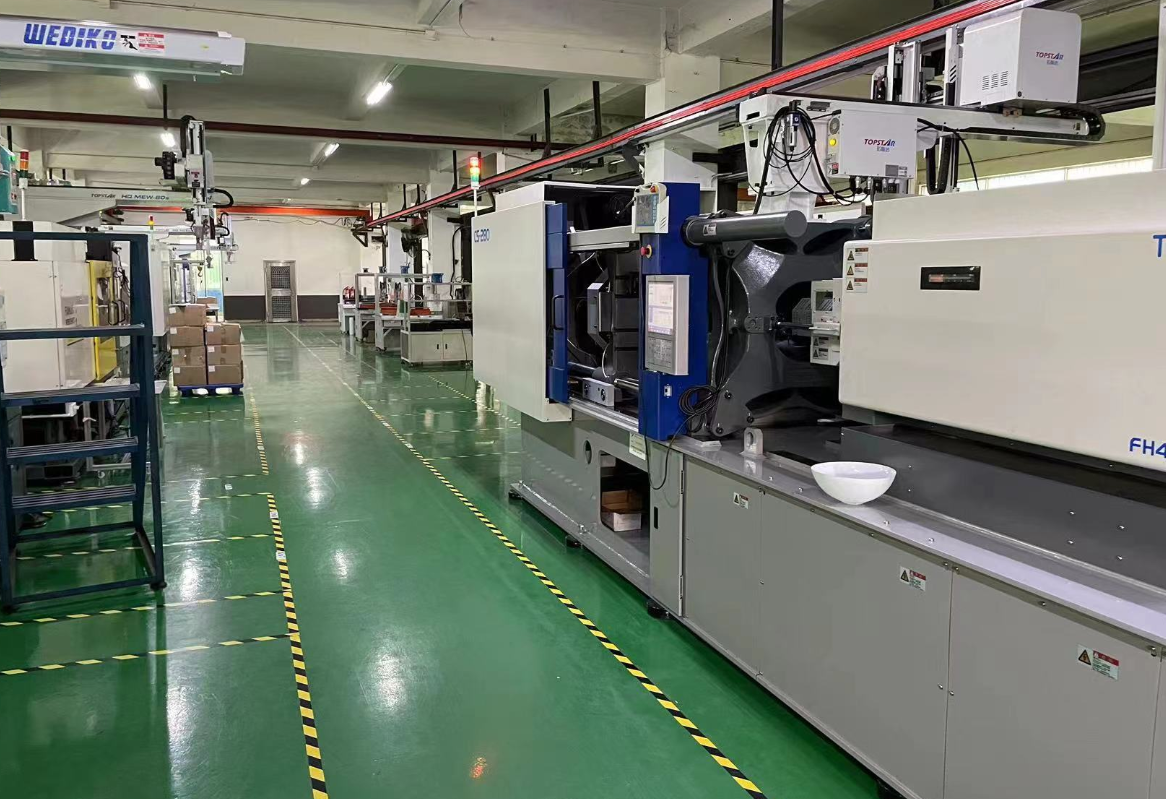
Why Retrofit Projects Fail on Supporting Parts, Not on the Head Unit
Three distinct failure modes account for most vehicle-specific Android retrofit problems, and each one maps to exactly one of the three supporting parts.
- Physical failure — gaps, misalignment, damaged dashboard trim. Obvious gaps and misalignment are typically caused by low-quality universal dash kits, or by products that were not precision-moulded to the exact dimensions of the vehicle's original dashboard. A badly matched fascia can also damage the original dashboard trim, which turns a reversible upgrade into a permanent repair.
- Electrical failure — no power, blown fuse, short circuit. A head unit that will not power on after installation is usually caused by a disconnected vehicle battery, poor contact of power supply pins, a blown built-in fuse on the harness, or reversed polarity. Short circuits and damaged original electrical systems are typically caused by cut-wire universal harnesses or by installation without guidance, with reversed polarity or wrong pin assignments.
- Protocol failure — dashboard fault codes and dead controls. Dashboard fault warning codes and steering wheel control failure after a retrofit are typically caused by a CAN bus protocol mismatch between a universal decoder and the vehicle's original system, or by a loose CAN bus interface connection and a mismatched decoder firmware version.
The practical consequence is that the buying decision for a retrofit is not a head unit decision at all. It is a three-part compatibility decision, and each part fails in a different way, at a different point in the installation, with a different repair cost.
The Aftermarket Context Behind Vehicle-Specific Retrofit Hardware
The scale of the category explains why the supporting hardware now has its own selection logic. The global car audio head unit market was estimated at USD 15.44 billion in 2024, according to Market Research Future. The car aftermarket audio system market is projected to grow at a CAGR of 12.18%, driven by DIY customers and online plug-and-play kits, according to Mordor Intelligence. Asia Pacific dominated the global car audio market with a 54.21% share in 2025, according to Fortune Business Insights.
Two structural points matter for buyers reading those numbers. First, growth driven by DIY customers and online plug-and-play kits shifts demand away from generic hardware towards model-specific kits, because a DIY buyer has no fabrication capability and no tolerance for a mismatch. Second, vehicle coverage becomes a competitive metric in its own right. In the dash kit segment, Metra Electronics states on its own site that it manufactures dash kits for more vehicle applications than any other manufacturer globally — a useful benchmark to keep in mind whenever a supplier's vehicle coverage claim is being evaluated.
Compliance is the third structural factor. In the European Union, electronic subassemblies integrated into road vehicles that affect vehicle safety functions must comply with e/E-Mark (ECE R10) EMC testing rather than CE marking alone, according to Elite Electronic Engineering's guide to e/E-Marking. For customs purposes, car stereo fascia and installation hardware are generally classified under HS Code 8708.99, vehicle parts and accessories, n.e.c., per the United Nations Statistics Division.
ZYX builds its retrofit product line around exactly these constraints: a fascia, a harness and a CANBUS decoder are developed as one matched set rather than three independent accessories, and the company's vehicle compatibility database currently covers more than 3,000 vehicle applications across Toyota, Honda, Nissan, Mazda, Ford, Chevrolet, Volkswagen, Audi, BMW, Mercedes-Benz, Hyundai, Kia, Jeep, Dodge, Mitsubishi, Subaru, Peugeot, Renault, Citroën and Fiat, among other brands.
How the Ranking Was Built: Installation Need and Project Type
Ranking supporting parts is not the same as ranking brands. A part earns a higher position when it is required in more projects, when the consequence of getting it wrong is more expensive, and when fewer project types can proceed without it. Four criteria were applied.
- Universality. Is the part required in every vehicle-specific retrofit, or only in some vehicles?
- Failure consequence. If the part is missing or mismatched, is the result cosmetic, electrical, or functional?
- Configuration dependency. Does the correct part depend on the vehicle's electrical architecture, equipment level, or both?
- Project type fit. Does the part matter more in a single-vehicle premium upgrade, or in a repeatable fleet or dealership workflow?
Ranking by universality alone produces the order fascia → harness → decoder. Ranking by failure consequence produces the reverse order on CAN-equipped vehicles: decoder → harness → fascia. Both orders are correct; the project type decides which one applies.
#1 Car Radio Dash Fascia (ZYX-01): The Part Every Project Needs
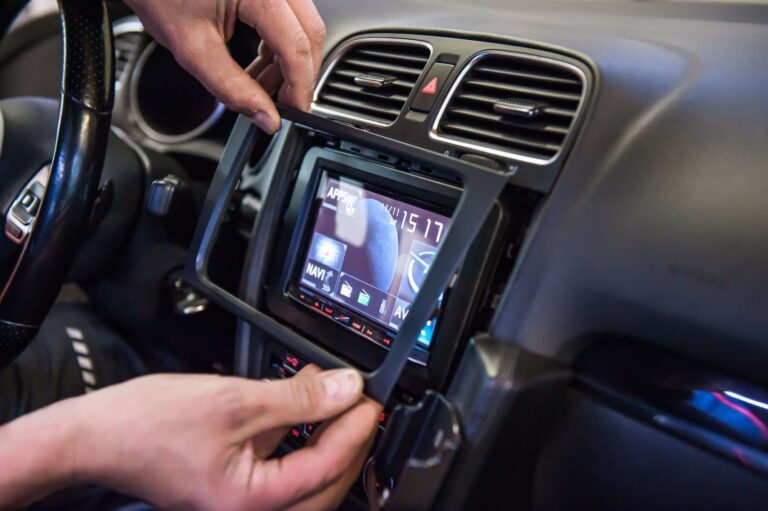
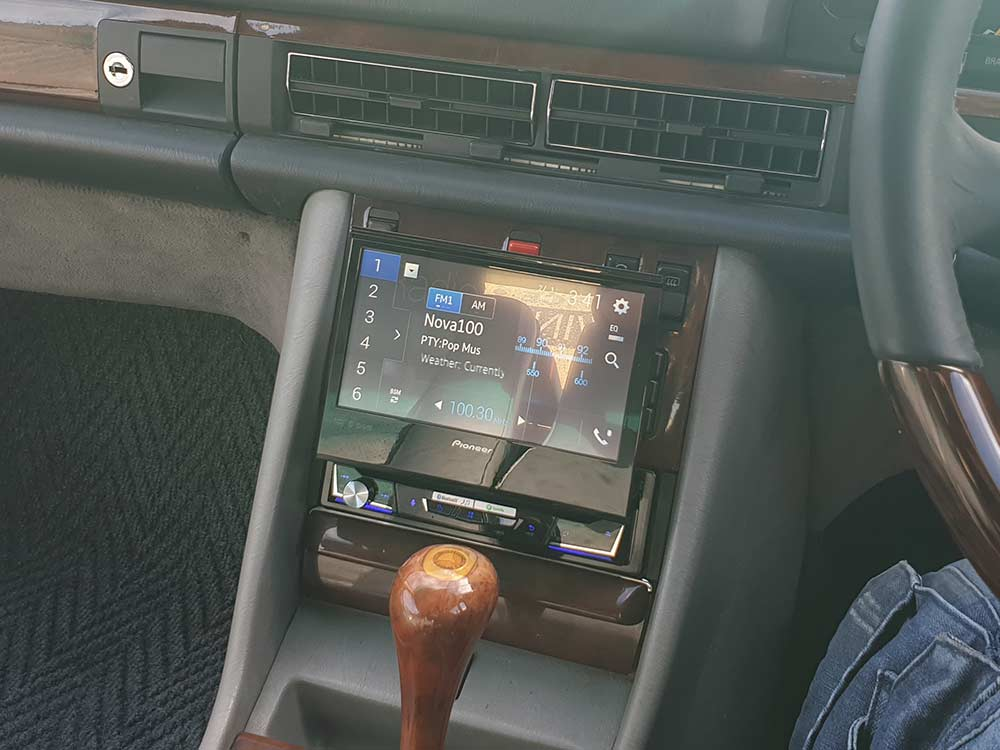
A car radio dash fascia, also sold as a fascia kit, dash kit or centre console frame, is the moulded interface panel that mounts an aftermarket head unit into the original dashboard opening. A vehicle-specific fascia is tooled to the dashboard structure, mounting points and trim line of one vehicle application rather than to a generic opening. It ranks first because it is the only one of the three parts that is required in every vehicle-specific retrofit, regardless of whether the vehicle is CAN-equipped, and regardless of whether the original radio was a single-DIN unit or a factory-integrated screen.
Published specifications
- Material: ABS plastic
- Material thickness: 2.5 mm – 3.0 mm
- Dimensional tolerance: ≤ 0.2 mm
- Compatible screen sizes: 7", 9", 10.1", 12.3"
- Mounting standard: Double-DIN / model-specific custom
- Fitment type: plug-and-play
- Operating temperature: −40 °C to 85 °C
Why it ranks first, and where it decides the outcome
The deciding metric for a fascia is not appearance but fit tolerance. Conventional kits show a fit tolerance of about 2.3 mm; precision-moulded model-specific fascia kits hold 0.2 mm or less, an improvement of 91%. That figure has a direct commercial meaning: a 2.3 mm deviation around a 10.1-inch screen aperture is visible to the customer and is often the reason a trim panel is reordered or a finished car is reworked.
Where the fascia is the deciding part: used car interior electronics refurbishment, dealership pre-delivery fitting, and premium centre console upgrades, where the dashboard is part of the vehicle's resale presentation. The risk section of ZYX's own installation guidance is explicit on the mitigation path — choose model-specific dash kits moulded from original vehicle dimension data, verify the fit tolerance parameter before purchase, and conduct a dry fit test before permanent installation.
#2 Car Radio Wiring Harness (ZYX-02): The Part That Decides Electrical Safety
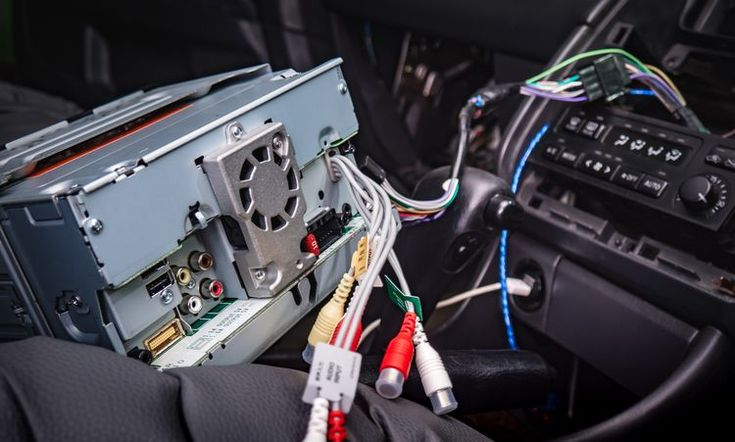
A car radio wiring harness is the vehicle-side-to-head-unit adapter that connects power, ground, speaker and control circuits between the original radio connector and the aftermarket head unit, normally terminating in an ISO 16-pin head unit connector. It ranks second because its need is nearly universal, but its correct form depends on the vehicle: on a non-CAN vehicle the harness carries the complete electrical interface on its own, while on a CAN-equipped vehicle it works together with the decoder module.
Published specifications
- Connector type: OEM vehicle-side plug + ISO 16-pin head unit connector
- Wire specification: AWG 20–22 tinned oxygen-free copper, ANSI/CTA-2015-B colour-coded insulation
- Voltage rating: 12 V DC, 10 A maximum current
- Protection features: reverse polarity protection, short-circuit protection
- Conductor: tinned oxygen-free copper; insulation: flame-retardant PVC; connector housing: PA66 engineering plastic; contact terminals: tin-plated brass
- Operating temperature: −40 °C to 85 °C
- Compatibility: fits non-CAN bus vehicle models, works with most aftermarket car stereos
Why the conductor specification is the decision metric
Two numbers explain why AWG 20–22 tinned oxygen-free copper is a purchase criterion rather than a detail. Tinned oxygen-free copper conductors reduce transmission loss by 15% compared with untinned alternatives, and the tinned surface resists corrosion in the in-vehicle environment, which combines a −40 °C to 85 °C temperature range, constant road vibration, dust and humidity exposure, and automotive electromagnetic interference on a 12 V DC system.
The failure mode this specification prevents is slow and easy to misdiagnose. Intermittent signal loss and functional failure after long-term use are usually caused by low-grade copper conductors, thin insulation layers, and the absence of vibration-resistant crimp design adapted to vehicle driving conditions. The mitigation is material-level: tinned oxygen-free copper conductors, reinforced crimp terminals and flame-retardant insulation, with regular line inspection during routine vehicle maintenance.
Where the harness decides the project
The harness determines whether an installation can be completed without cutting the factory loom. That is a hard requirement in dealership pre-delivery fitting, where the vehicle remains under manufacturer warranty conditions, and in fleet work, where a wiring repair is a scheduling problem rather than a workshop problem. The trade-off is documented as well: traditional cut-wire universal solutions remain viable for low-budget simple retrofits of older economy vehicles, with lower upfront cost but a higher risk of functional issues.
#3 CAN Bus Decoder Module (ZYX-03): Conditional Need, Highest Functional Impact
A CAN bus decoder is an automotive electronic component that enables signal communication between an aftermarket head unit and the vehicle's original CAN bus system. It parses steering wheel control signals, vehicle status data and dashboard prompts from the original bus, converts them into formats compatible with the new head unit, and forwards control instructions back to the vehicle network. It ranks third by installation need, because vehicles without a CAN bus do not require one, but first by functional consequence on the vehicles that do.
Published specifications
- Protocol standard: CAN 2.0A / 2.0B, 500 kbps / 125 kbps dual rate
- Power supply: 12 V DC, 300 mA standby, 2 A maximum
- Operating temperature: −40 °C to 85 °C
- Housing: flame-retardant ABS plastic; connector terminals: tin-plated brass; circuit board: FR-4 glass fiber epoxy resin; internal potting: heat-conductive silicone
How it works and what it retains
The working principle is signal translation. Based on the ISO 11898 automotive CAN bus standard and the original vehicle's factory electrical interface definition, a pre-programmed decoder stores model-specific CAN protocol data. It identifies steering wheel control, instrument prompt and vehicle status signals from the original CAN bus, converts them into formats compatible with the aftermarket head unit, and simultaneously forwards the head unit's control instructions back to the vehicle CAN network, without cutting or altering the original wiring harness. In simpler terms, CANBUS decoders for Android head units translate vehicle network messages (HEX codes) into UART messages for the head unit, which is how steering wheel controls and vehicle data are retained.
Depending on the application, supported functions may include ACC signal, steering wheel controls, original car information, key control, vehicle data communication, and selected OEM function integration. Because vehicle configurations can vary significantly between model years and equipment levels, the exact vehicle model, year, original radio, connector and configuration should be confirmed before purchase.
Why it outranks the other two on functional impact
Two published comparison figures carry the argument. Steering wheel control compatibility rises from 55% with universal CAN retrofit kits to 100% with a pre-flashed, model-specific CAN kit. The fault code rate is more than 90% lower than with traditional cut-wire and universal CAN retrofit kits, supporting zero dashboard fault codes. The decoder is also the only part of the three whose efficiency shows up on the vehicle's electrical budget: CAN decoder standby power is 30% lower with this module.
Step-by-Step: Installing the Three Parts in the Correct Order
The sequence below follows the standard procedure for a plug-and-play car radio retrofit kit combining dash kit, wiring harness and CAN bus decoder.
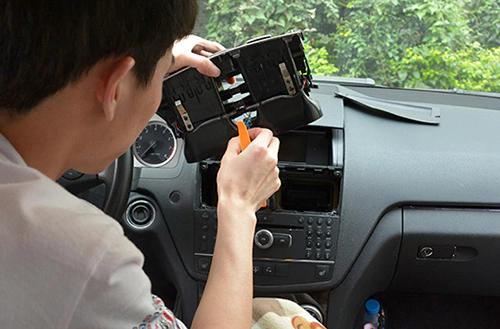
- Disconnect the vehicle battery and remove the factory head unit with the dashboard trim panel. Disconnecting the battery first avoids electrical short circuits. Trim removal tools should be used; the trim should never be pried forcibly.
- Dry fit the model-specific dash kit to check fitment and alignment. This is where physical failure is caught before it becomes visible to a customer. Fit tolerance parameters should be verified before purchase and alignment confirmed before permanent installation.
- Plug the wiring harness and CAN bus decoder into the original vehicle wiring interface. All connectors must be fully seated; a loose CAN bus interface connection is one of the documented causes of dashboard fault codes.
- Connect the new head unit, power on and test all functions. Confirm CAN decoder model compatibility before power-on. If the head unit does not power on, check the battery connection, re-plug the power harness connector, inspect the built-in fuse on the harness, and confirm power interface polarity.
- Secure the head unit and dash kit, then reinstall the dashboard trim. If steering wheel buttons are unresponsive, verify the decoder matches vehicle model, model year and trim level, re-plug the CAN bus and steering control connectors, and reflash matching firmware if necessary.
Use Cases: Which Part Matters Most in Which Project
The three parts rank differently depending on the project. The same kit, used in a different workflow, produces a different priority order.
- Premium centre console upgrade (single vehicle, high presentation value). Priority: fascia → decoder → harness. Fit tolerance of 0.2 mm or less and a factory-like finish are the deliverables the owner actually sees.
- Fleet batch modification. Priority: decoder → harness → fascia. In fleet batch modification conditions, repeatable fitment and zero fault code outcomes reduce per-vehicle handling time, which is the metric that governs the batch.
- Dealership pre-delivery fitting. Priority: harness → decoder → fascia. Damage-free installation onto the factory original electrical interface is the constraint, because vehicles leave the site under warranty conditions.
- Used car interior electronics refurbishment. Priority: fascia → harness → decoder. The visible dashboard condition drives the resale presentation, and the fascia is the first component replaced.
- Low-budget retrofit of an older economy vehicle. A traditional cut-wire universal solution remains a viable option with lower upfront cost, but with a higher risk of functional issues. Where a model-specific kit is available, the trade-off is documented as an initial unit cost 25% higher against a 12-month total cost 40% lower.
Comparison Table: The Three Parts Side by Side
| Rank | Part | Model | Required when | Key published specification | Failure mode if missing or mismatched |
|---|---|---|---|---|---|
| 1 | Car Radio Dash Fascia | ZYX-01 | Every vehicle-specific Android retrofit | ABS plastic; 2.5–3.0 mm thickness; dimensional tolerance ≤ 0.2 mm; 7"/9"/10.1"/12.3" screens; −40 °C to 85 °C | Visible gaps, misalignment, damage to original dashboard trim |
| 2 | Car Radio Wiring Harness | ZYX-02 | Every retrofit; carries the full electrical interface on non-CAN vehicles | OEM vehicle-side plug + ISO 16-pin; AWG 20–22 tinned oxygen-free copper; 12 V DC, 10 A; reverse polarity and short-circuit protection | No power, blown harness fuse, short circuit, damaged original electrical system |
| 3 | CAN Bus Decoder Module | ZYX-03 | CAN-equipped vehicles only | CAN 2.0A / 2.0B; 500 kbps / 125 kbps dual rate; 12 V DC, 300 mA standby, 2 A max; −40 °C to 85 °C | Dashboard fault codes, unresponsive steering wheel controls |
Model-Specific Plug-and-Play vs Traditional Cut-Wire Universal Kits
The ranking above describes the parts inside a model-specific kit. The alternative architecture is the traditional cut-wire universal CAN retrofit kit, and the published differences between the two approaches explain most of the cost discussion in this category.
| Comparison metric | Model-specific plug-and-play kit (fascia + harness + decoder) | Traditional cut-wire / universal CAN kit |
|---|---|---|
| Wiring approach | Plug-and-play, no wire cutting; model-specific precision moulding and pre-flashed CAN firmware | Wire splicing with universal CAN retrofit components |
| Fit tolerance | 0.2 mm or less | Approximately 2.3 mm (91% improvement with model-specific kit) |
| Installation time | Approximately 70 minutes | Approximately 180 minutes (60% reduction with model-specific kit) |
| Fault code rate | More than 90% lower, supporting zero dashboard fault codes | Baseline |
| Steering wheel control compatibility | 100% with pre-flashed, model-specific CAN firmware | 55% with universal CAN retrofit kits |
| Initial unit cost | 25% higher | Lower upfront cost |
| 12-month total cost | 40% lower, because rework and wiring repair fees are eliminated | Baseline, plus rework and wiring repair exposure |
| After-sales load | 85% fewer troubleshooting interventions; supports spare-part continuity and simpler service workflows | Higher troubleshooting frequency |
| Electrical efficiency | 30% lower CAN decoder standby power; 15% less transmission loss with tinned oxygen-free copper | Baseline |
| Best suited to | Model-specific centre console upgrades, premium car audio retrofit, fleet batch modification, dealership pre-delivery fitting | Low-budget simple retrofits of older economy vehicles |
FAQ: Vehicle-Specific Android Retrofit Parts
Do these retrofit parts meet EU compliance requirements for export markets?
Yes. The full kit complies with EU RoHS 2 and REACH regulations, with hazardous substance content strictly controlled across all materials and components, which meets export environmental requirements. Separately, electronic subassemblies integrated into road vehicles in the EU that affect vehicle safety functions must comply with e/E-Mark (ECE R10) EMC testing rather than CE marking alone. For customs classification, car stereo fascia and installation hardware are generally classified under HS Code 8708.99 (vehicle parts and accessories, n.e.c.), per the United Nations Statistics Division.
What vehicle information do I need to confirm before ordering the three parts?
Compatibility is confirmed through a fixed sequence: vehicle brand, vehicle model, model year, original radio, original connector, vehicle configuration, audio system, and the new head unit. Where a model has multiple original equipment configurations, clear photos of the original dashboard, the original radio, or the connectors on the back of the original head unit should be provided. This step reduces compatibility issues caused by differences in model year, equipment level, original connector, or audio system configuration — and it is the single most common cause of a kit failing to fit on arrival.
Why does a model-specific plug-and-play kit cost more per unit than a cut-wire kit?
Because the higher unit price buys installation risk out of the project. Initial unit cost is 25% higher than traditional cut-wire and universal CAN retrofit kits, while the 12-month total cost is 40% lower, because rework and wiring repair fees are eliminated. The after-sales position follows the same logic: the kit requires 85% fewer troubleshooting interventions than alternatives, which supports spare-part continuity and simpler service workflows. The break-even point therefore depends on project volume and on the value of workshop time, not on the part price alone.
Can fitment be validated before the final installation?
Yes, and it should be. The recommended method is a dry fit: remove the factory head unit with the dashboard trim, dry fit the model-specific dash kit, and check fitment and alignment before anything is permanently installed. Fit tolerance parameters should be verified before purchase rather than after delivery. During testing, the vehicle battery must be disconnected, CAN decoder model compatibility must be confirmed before power-on, and all connectors must be fully seated before final assembly. This validation step is what keeps a project from ending in trim damage or reordered parts.
How do the three parts reduce per-vehicle handling time in fleet and dealership projects?
In fleet batch modification and dealership pre-delivery fitting conditions, repeatable fitment and zero fault code outcomes reduce per-vehicle handling time. In measured terms, installation time is cut by 60%, from approximately 180 minutes to approximately 70 minutes, and the fault code rate is more than 90% lower than with traditional cut-wire and universal CAN retrofit kits. For a batch of any size, those two figures determine whether the workflow is a repeatable process or a sequence of individual repairs. To validate the three parts on your own vehicle application before a batch commitment, request a sample set or a project quotation from ZYX — contact details and the company profile brochure are listed at the end of this article.
Conclusion: How to Apply the Ranking
The ranking of must-have supporting parts for a vehicle-specific Android car stereo retrofit is a ranking of dependencies. The Car Radio Dash Fascia (ZYX-01) comes first because no vehicle-specific retrofit can proceed without a physical interface that matches the dashboard, and because fit tolerance — 0.2 mm or less versus roughly 2.3 mm on conventional kits — is the first thing a customer sees. The Car Radio Wiring Harness (ZYX-02) comes second because it carries the electrical and safety burden, with AWG 20–22 tinned oxygen-free copper, flame-retardant PVC insulation and built-in reverse polarity and short-circuit protection. The CAN Bus Decoder Module (ZYX-03) comes third by necessity but first by functional consequence on CAN-equipped vehicles, where CAN 2.0A / 2.0B support, pre-flashed model-specific firmware and steering wheel control compatibility rising from 55% to 100% decide whether the original vehicle functions survive the upgrade.
A simple decision rule follows from that: confirm the vehicle application and the original connector first, confirm whether the vehicle uses a CAN bus second, and then buy all three parts as one matched set rather than three separate accessories. ZYX develops its fascia, harness and CANBUS decoder lines as a single kit program covering more than 3,000 vehicle applications, so that the physical fit, the electrical interface and the vehicle communication layer are specified against the same vehicle data.
Request a Sample Set or a Project Quotation
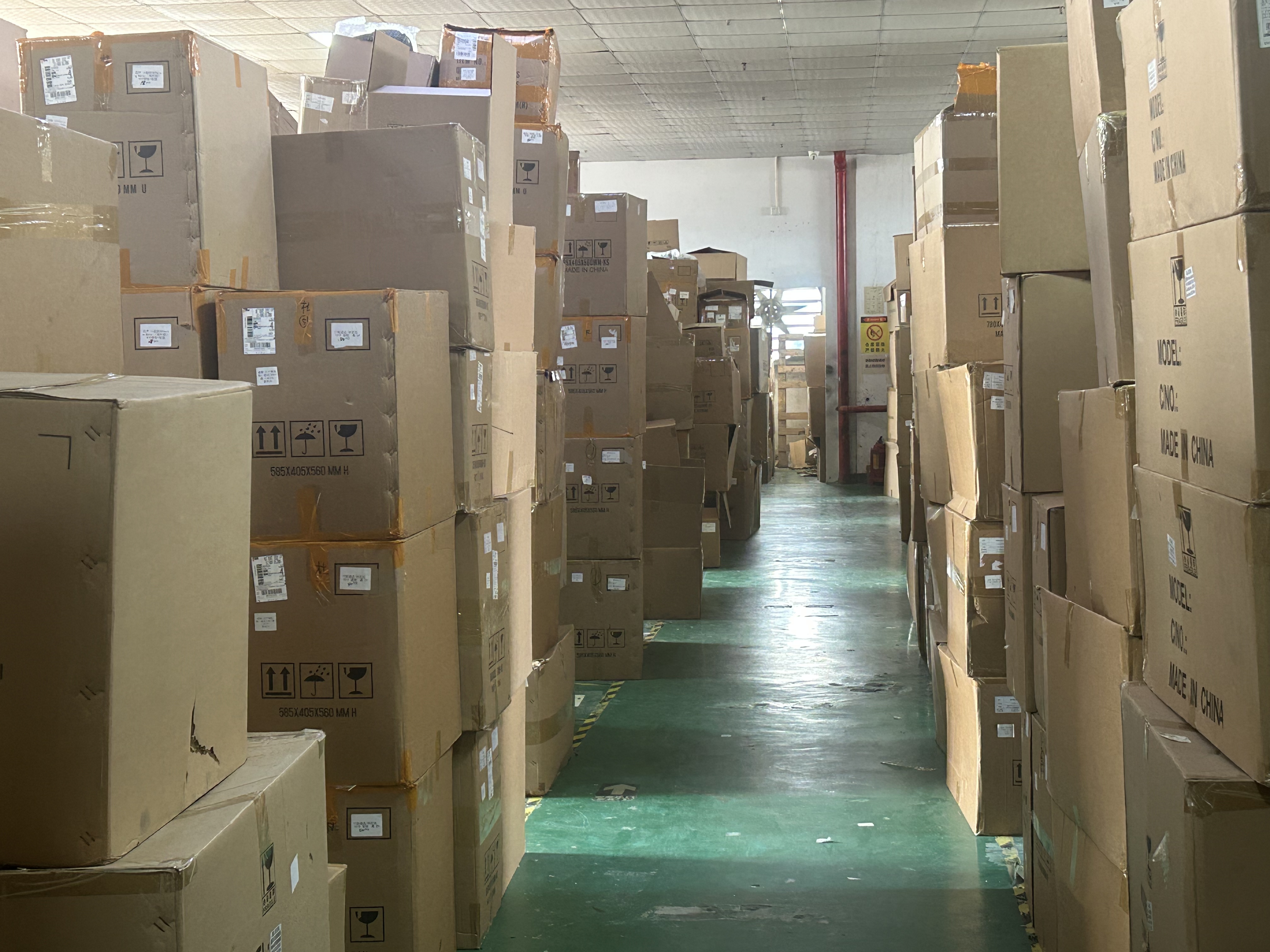
Shenzhen Zhongyixing Electronic Technology Co., Ltd (ZYX) supplies Car Radio Dash Fascia (ZYX-01), Car Radio Wiring Harness (ZYX-02) and CAN Bus Decoder Module (ZYX-03) as matched, vehicle-specific retrofit kits. Send your vehicle model, model year, original radio and connector photos to confirm compatibility before you order.
Website: www.zyxcaradio.com
Email: yueyongfei7@gmail.com
Tel / WhatsApp: +86 159-2064-3862
Address: 5th Floor, Building D, Tianxi Sheng, No.46 Hongyin Road, Loucun Community, Xinhu Street, Guangming District, Shenzhen, China
Download the ZYX company profile brochure: ZYX AUTO Company Profile Brochure
Have Questions or Need More Details?
Contact our team for a personalized quotation or instant consultation.
Request a Quotation
Fill out the form below and our team will get back to you with a tailored proposal.
WhatsApp Direct Chat
Prefer to chat in real-time? Message us on WhatsApp for instant assistance & quick answers.
- Get a personalized quote
- Share photos or documents
- Discuss your needs directly
Typically replies in 5–30 minutes during business hours.