
CAN Bus Decoder Technical Guide: CAN 2.0A/B, 500 kbps, and 125 kbps Explained
Answer first: The CAN Bus Decoder Module ZYX-03, made by Shenzhen Zhongyixing Electronic Technology Co., Ltd., is a plug-and-play CAN gateway for aftermarket Android head units. It supports CAN 2.0A and CAN 2.0B frame formats, runs at dual 500 kbps and 125 kbps data rates, operates on a 12 V DC supply with 300 mA standby current (2 A maximum), and ships with model-specific pre-programmed firmware. For installers, the practical outcome is that steering wheel controls, ACC signalling and selected factory functions can be retained without cutting the original vehicle harness.
Most retrofit conversations start with the visible part: the fascia. A Vehicle-Specific Android Car Stereo Fascia Kit solves the physical problem — dashboard geometry, mounting points, screen aperture and a factory-like finish. But the complaint that comes back after the job is usually not physical. It is a dashboard warning light, a dead steering wheel button, or a head unit that will not wake up with the ignition. Those are bus-level problems, and they are decided by the decoder module, not the plastic frame.
This guide is written for car audio installers, modification shops, and distributors who are specifying the electronic part of an Android head unit retrofit. It covers what CAN 2.0A and CAN 2.0B actually change, why 500 kbps and 125 kbps both appear in real vehicles, what the ZYX-03 provides at component level, and how to install and verify it step by step.
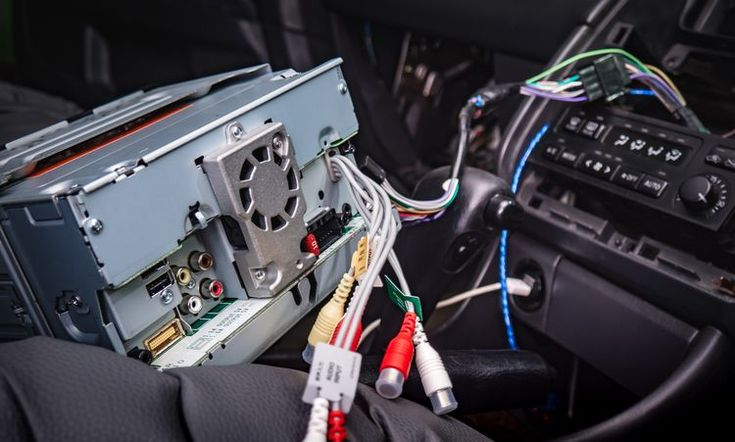
Problem Definition: Retrofit Failures Are Usually Electrical, Not Mechanical
A CAN bus decoder is an automotive electronic component that enables signal communication between an aftermarket head unit and the vehicle’s original CAN bus system. It parses steering wheel control signals, vehicle status data and dashboard prompts from the original bus, converts them into formats the new head unit can read, and forwards control instructions back to the vehicle network. Commercial descriptions of this process usually describe it as HEX-to-UART translation — the decoder reads hexadecimal CAN messages and hands the head unit a serial data stream it understands.
When that translation is wrong, installers see a predictable cluster of symptoms: dashboard fault warning codes after the retrofit, unresponsive steering wheel buttons, or a head unit that fails to power on. Two technical variables sit underneath almost all of them.
CAN 2.0A vs CAN 2.0B: the frame format decides what the decoder can hear
CAN 2.0A uses the standard 11-bit identifier frame. CAN 2.0B adds the extended 29-bit identifier frame, which allows a far larger address space — a difference that matters on vehicles where body, comfort and infotainment modules coexist on the same physical bus. A decoder built around only one frame format can silently drop messages that use the other, and a dropped message is indistinguishable from a broken button to the person sitting in the driver’s seat.
The ZYX-03 is specified for both CAN 2.0A and CAN 2.0B, so the same module covers vehicles that mix standard and extended identifier traffic rather than requiring two different part numbers in stock.
500 kbps vs 125 kbps: two bus speeds, one vehicle
Bit rate is the second variable. In automotive practice, 500 kbps is typically found on higher-speed networks associated with powertrain and chassis functions, while 125 kbps is typically found on lower-speed comfort and body networks. A single vehicle can expose more than one, depending on which network the original radio and steering wheel controls sit on, and that routing changes between model years and trim levels.
A decoder locked to one bit rate cannot read the other network. The ZYX-03 supports 500 kbps and 125 kbps as a dual-rate design, which is why the same module part number can be used across a wider slice of a distributor’s vehicle coverage list.
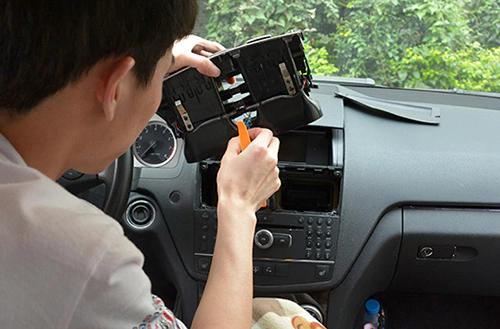
Industry Background: Compatibility Has Become the Deciding Cost
The retrofit segment is large enough that installation hardware is no longer a niche accessory line. Market Research Future estimated the global car audio head unit market at USD 15.44 billion in 2024. Mordor Intelligence projects the car aftermarket audio system market growing at a CAGR of 12.18%, attributing part of that momentum to DIY customers and online plug-and-play kits. Fortune Business Insights reported that Asia Pacific held a 54.21% share of the global car audio market in 2025.
Two consequences follow for anyone selling into this market.
- Head units are converging; installation hardware is not. When the screen and Android platform become interchangeable, the difference between a clean job and a comeback is the fascia, harness and decoder set. That is why a Vehicle-Specific Android Car Stereo Fascia Kit is only half a product — the electrical half decides whether the job closes.
- Compliance now sits at the subassembly level. Electronic subassemblies integrated into road vehicles in the EU must comply with E-Marking (ECE R10 EMC testing) rather than relying on CE marking alone where they affect vehicle safety functions, according to guidance published by Elite Electronic Engineering. For importers, that shifts the question from “is the box certified” to “is the electronic module inside documented correctly.”
Classification matters too. Vehicle parts and accessories of this type are generally classified under HS Code 8708.99, the residual heading for vehicle parts and accessories not elsewhere specified, per the United Nations Statistics Division classification. Buyers running their own customs documentation should confirm the heading against the exact product composition at the time of import.
The direction of the category is clear: as head unit prices fall, protocol-level compatibility work becomes the value-add that shops and distributors are willing to pay for — and the part of the job most likely to generate repeat business if it is solved properly.
Detailed Solution: What the ZYX-03 CAN Bus Decoder Module Provides
The ZYX-03 is a plug-and-play CAN gateway module. Its role in the retrofit set is to sit between the vehicle’s factory connector and the aftermarket Android head unit, translating in both directions: vehicle signals and status data into the head unit, and head unit commands back onto the vehicle network.
| Specification item | CAN Bus Decoder Module ZYX-03 |
|---|---|
| Module type | Plug-and-Play CAN Gateway Module |
| Protocol standard | CAN 2.0A / CAN 2.0B |
| Data rate | 500 kbps / 125 kbps dual rate |
| Power supply | 12 V DC |
| Current consumption | 300 mA standby; 2 A maximum |
| Operating temperature | -40 °C to 85 °C |
| Circuit board | FR-4 glass fiber epoxy resin |
| Housing | Flame-retardant ABS plastic |
| Connector terminals | Tin-plated brass |
| Internal potting | Heat-conductive silicone |
Model-specific pre-programmed firmware
The protocol data inside the module is the part that cannot be guessed. ZYX supplies the ZYX-03 with pre-flashed, vehicle-specific CAN firmware rather than a generic universal protocol set. In practice this means the decoder is matched to the vehicle model, model year and trim configuration, so the signals it listens for and the messages it forwards are the ones that vehicle actually sends.
Because vehicle configurations vary significantly between model years and factory equipment levels, ZYX recommends confirming the exact vehicle model, year, original radio, connector and configuration before ordering — photos of the original dashboard, original radio or the connectors on the back of the factory head unit are the most reliable way to do that. The same applies when a fascia kit is being selected: ZYX evaluates compatibility through vehicle brand, model, model year, original radio, original connector, vehicle configuration and audio system before the new head unit is considered.
Construction choices that matter behind the dashboard
- FR-4 glass fiber epoxy board. Better dimensional and thermal stability than low-grade laminates, which matters in a cavity that sees direct sun and constant vibration.
- Flame-retardant ABS housing. A defined material rather than an unspecified plastic shell — relevant both to installation safety and to documentation for importers.
- Tin-plated brass terminals. Plating resists oxidation on contact surfaces, supporting stable contact over repeated temperature cycling.
- Heat-conductive silicone potting. Internal potting moves heat away from the board and adds mechanical damping against road vibration.
- -40 °C to 85 °C operating range. The same range is specified across the ZYX retrofit set, including the ZYX-01 Car Radio Dash Fascia and the ZYX-02 Car Radio Wiring Harness, so the kit behaves consistently in cold-start and summer-dashboard conditions.
The decoder does not work alone. The ZYX-02 wiring harness uses AWG 20–22 tinned oxygen-free copper conductors with ANSI/CTA-2015-B colour-coded insulation, a PA66 engineering-plastic connector housing, reverse polarity protection and short-circuit protection, rated 12 V DC at 10 A maximum. Pairing a matched harness with the decoder is what keeps the installation plug-and-play rather than cut-and-splice.
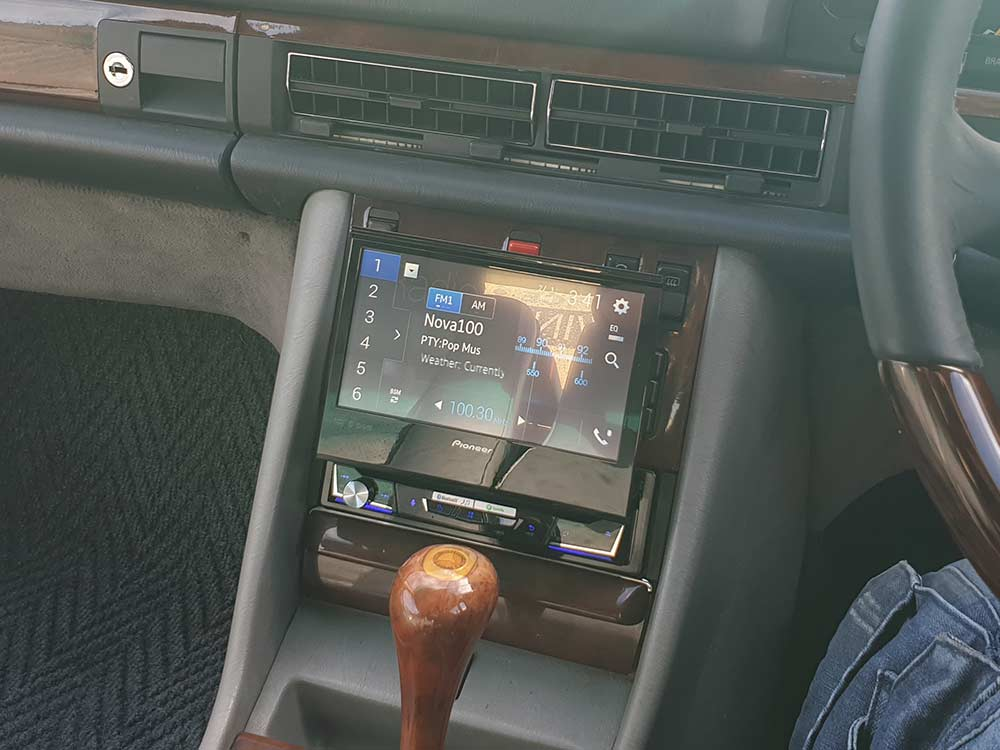
Step-by-Step Breakdown: Installing and Verifying a ZYX-03 Gateway
The installation sequence below is the standard procedure for a plug-and-play retrofit set — dash kit plus wiring harness plus CAN bus decoder. Each step exists to catch a specific failure mode before it reaches the customer.
- Disconnect the vehicle battery. This is the safety step that prevents short circuits during connector work. Do not skip it, even for a short job.
- Remove the factory head unit and dashboard trim panel. Do not pry the trim forcibly; damaged dashboard trim is an avoidable cost on a job that is otherwise reversible.
- Dry fit the model-specific dash kit and check fitment and alignment before anything is powered or permanently seated. Model-specific ZYX-01 fascia kits are moulded to a dimensional tolerance of ≤0.2 mm, so a dry fit is about confirming the correct part, not adjusting it.
- Plug the wiring harness and CAN bus decoder into the original vehicle interface. Confirm the decoder model matches the vehicle model, year and trim before this connection is made, and make sure every connector is fully seated.
- Connect the new head unit, power on and test all functions. Check ignition wake-up, steering wheel controls, retained vehicle information and any factory functions the vehicle exposes.
- Secure the head unit and dash kit, then reinstall the dashboard trim. Final assembly only happens after the electrical checks pass.
If something does not work, check in this order
| Symptom | Common cause | First checks |
|---|---|---|
| Dashboard fault warning codes after retrofit | Incompatible CAN decoder protocol, loose CAN bus interface connection, or mismatched decoder firmware version | Confirm the decoder is the model-specific version; re-plug the CAN interface to full seating; update to the matching firmware; clear historical fault codes and retest |
| Head unit will not power on | Disconnected battery, poor contact of power pins, blown in-line fuse on the harness, or reversed polarity | Check battery connection; re-plug the power connector; inspect the harness fuse; confirm power interface polarity |
| Steering wheel controls unresponsive | Mismatched CAN decoder protocol, loose steering control pin, or a decoder not programmed for the exact trim configuration | Verify decoder against model, year and trim; re-plug CAN and steering connectors; confirm firmware version and reflash if needed |
Use Cases: Where a Dual-Rate, Model-Specific Gateway Pays Off
The ZYX-03 belongs to a retrofit scenario set defined by the in-vehicle operating environment: wide temperature range, constant road vibration, dust and humidity exposure, automotive EMI, and a 12 V DC vehicle electrical system. Within that environment, four project types make the decoder choice the critical one.
- Model-specific center console upgrades. The customer wants a factory look and factory behaviour. A Vehicle-Specific Car Stereo Fascia plus a pre-programmed decoder delivers both: the screen sits like original equipment and the buttons still work.
- Premium car audio retrofits. Higher trim levels carry more network traffic and more factory functions, which is exactly where a universal decoder with generic firmware is most likely to trigger fault codes.
- Fleet batch modification. A single part number covering CAN 2.0A and CAN 2.0B at both 500 kbps and 125 kbps reduces the number of decoder variants a fleet shop has to stock and track across vehicles.
- Dealership pre-delivery fitting and used-car refurbishment. Reversible, damage-free installation matters most when the vehicle is not owned by the person doing the work. Plug-and-play means the original wiring and dashboard trim can be returned to stock condition.
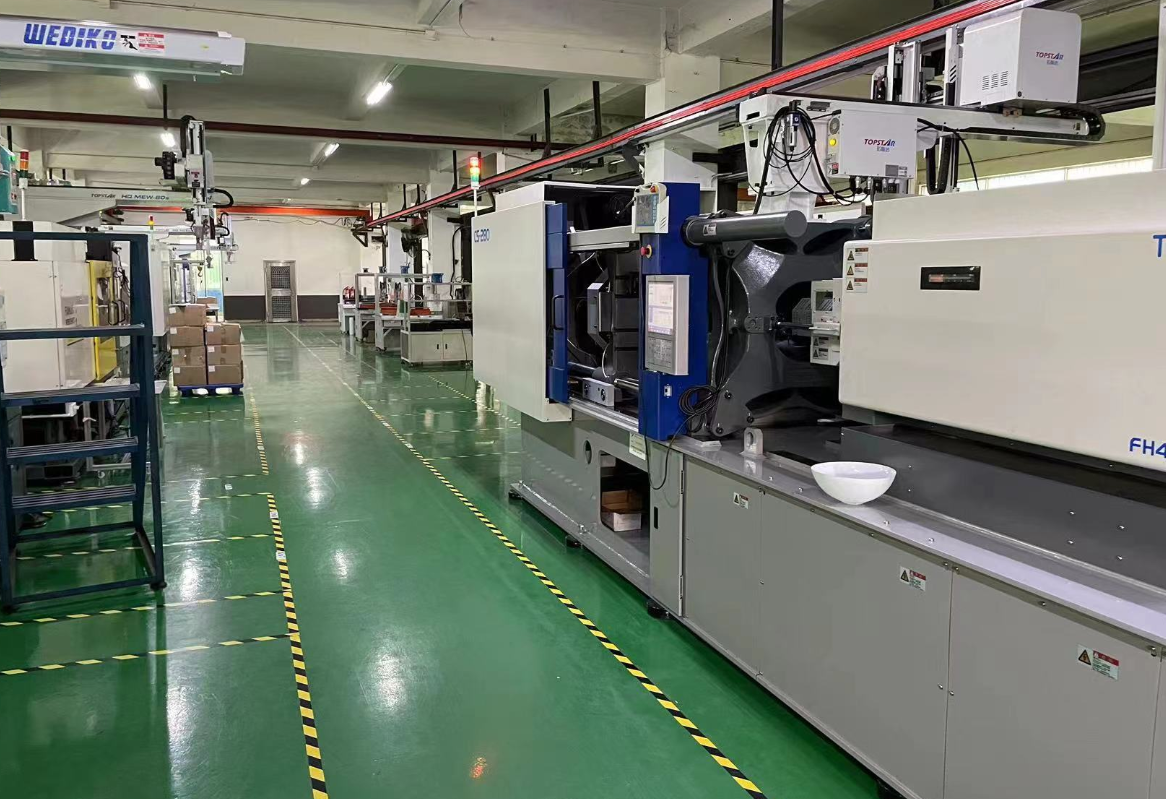
Comparison Table: Plug-and-Play Gateway vs Traditional Cut-Wire Universal Retrofit
The table below compares the plug-and-play route (vehicle-specific fascia kit + harness + pre-flashed CAN decoder such as the ZYX-03) against the traditional cut-wire universal CAN retrofit approach. Figures reflect ZYX’s comparison of the two installation routes.
| Comparison criterion | Plug-and-play set (fascia kit + harness + pre-flashed decoder) | Traditional cut-wire & universal CAN retrofit kit |
|---|---|---|
| Wiring approach | Plug-and-play; no wire cutting | Cut-and-splice into original wiring |
| Fitment | Model-specific precision moulding | Universal geometry, adjusted on site |
| Fit tolerance | ≤0.2 mm (91% improvement) | ~2.3 mm |
| Steering wheel control compatibility | 100% | 55% |
| Dashboard fault code rate | Reduced by 90%+ | Baseline |
| Typical installation time | ~70 minutes (60% reduction) | ~180 minutes |
| Initial unit cost | 25% higher | Lower upfront |
| 12-month total cost | 40% lower (eliminates rework and wiring repair) | Higher through rework |
| After-sales troubleshooting | 85% less; no specialist electrician required | Frequent electrical follow-up |
| Decoder standby power | 30% lower | Baseline |
| Conductor transmission loss | 15% less with tinned oxygen-free copper | Higher loss on low-grade copper |
| Best suited to | Model-specific console upgrades, premium audio retrofits, fleet batch modification, dealership pre-delivery fitting | Low-budget simple retrofits of older economy vehicles |
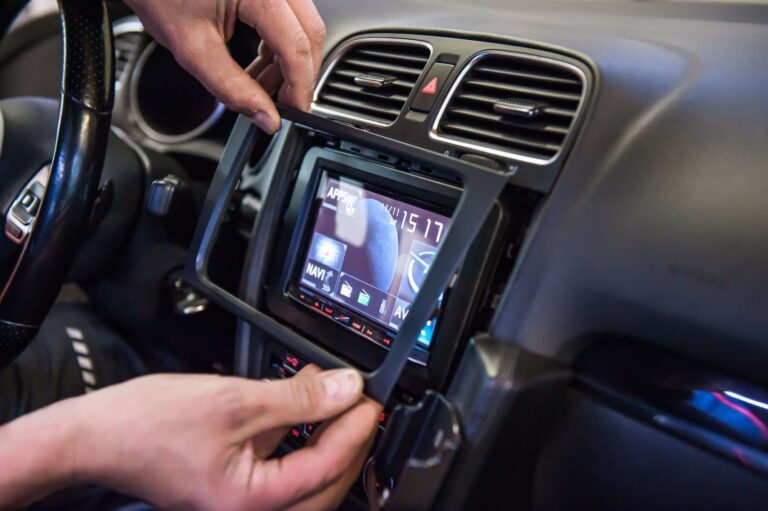
Selecting on upfront unit cost alone leads to the higher 12-month figure. The decision framework most fleet and dealership buyers end up using is: if the vehicle is a one-off budget retrofit on an older economy model, the cut-wire route remains workable; if the vehicle needs damage-free installation, retained factory functions and predictable rework levels, the plug-and-play set is the lower-risk specification.
FAQ: CAN Bus Decoder and Long-Term Supply Questions
1. Does the ZYX-03 CAN bus decoder meet EU compliance expectations for import?
For export-oriented retrofit kits, ZYX states that its products comply with EU RoHS 2 and REACH regulations, with hazardous substance content controlled across materials and components. Buyers should note the wider regulatory context: electronic subassemblies integrated into road vehicles in the EU must comply with E-Marking (ECE R10 EMC testing) rather than just CE marking if they affect vehicle safety functions, per guidance from Elite Electronic Engineering. Products of this type are generally classified under HS Code 8708.99 according to the United Nations Statistics Division classification. Importers should confirm the exact documentation set required for their destination market before first shipment.
2. Why does the ZYX-03 support both 500 kbps and 125 kbps, and both CAN 2.0A and CAN 2.0B?
Because real vehicles use more than one of each. CAN 2.0A uses the standard 11-bit identifier frame and CAN 2.0B adds the extended 29-bit frame; 500 kbps is typically associated with higher-speed networks and 125 kbps with lower-speed comfort networks. A decoder limited to one frame format or one bit rate can drop messages and leave steering wheel controls or dashboard functions unresponsive. The ZYX-03 is specified for CAN 2.0A / CAN 2.0B at 500 kbps / 125 kbps dual rate, running on 12 V DC with 300 mA standby current and 2 A maximum, so one module covers a broader range of vehicle electrical architectures.
3. Is a plug-and-play decoder set more expensive than a cut-wire universal solution?
On initial unit cost, yes — ZYX’s comparison puts the plug-and-play set about 25% higher per unit. Across a 12-month window, the same comparison puts total cost about 40% lower, because it eliminates rework and wiring repair, cuts installation time by roughly 60% (from about 180 minutes to about 70 minutes), reduces dashboard fault code incidence by more than 90%, and reduces after-sales troubleshooting by 85% with no specialist electrician required. Standby power on the decoder is also 30% lower, and tinned oxygen-free copper conductors reduce transmission loss by 15%. Budget decisions should be made on the total figure, not the unit price.
4. Can I validate one ZYX-03 module before committing to bulk?
Yes. Small-quantity orders follow a sample route with a minimum order quantity of 1 set, delivered by international express door-to-door services including DHL, UPS, FedEx and ePacket, with inspection upon delivery and a 7-day return and exchange policy for quality defects. Payment can be made by credit card, PayPal or platform secured payment. Because the decoder firmware is model-specific, confirm your vehicle’s model, model year, trim configuration and original connector before ordering — clear photos of the original dashboard, radio or the connectors behind the factory head unit are the most reliable basis. A dry-fit and function test at sample stage is the cheapest place to catch a compatibility mismatch.
5. What does long-term supply look like when sourcing vehicle-specific Android head unit kits from China?
For repeat orders, bulk terms apply from a minimum order quantity of 50 units across the ZYX-01 Car Radio Dash Fascia, ZYX-02 Car Radio Wiring Harness and ZYX-03 CAN Bus Decoder Module. Delivery is arranged through FOB Shenzhen, CIF Hamburg or EXW factory, and bulk payment terms are 30% T/T in advance with 70% T/T against copy of the bill of lading. Acceptance inspection includes a pre-shipment function and fitment full test, and third-party inspection by SGS is accepted. ZYX is a Shenzhen-based supplier with more than 10 years of accumulated industry experience, a product and vehicle compatibility system covering 3,000+ vehicle applications, and an export ratio of 80% with main markets in Russia and the EU — capability that matters when a distributor needs the same part number replenished across model years rather than a one-off shipment.
Conclusion: Match the Decoder Before You Match the Dashboard
A Vehicle-Specific Android Stereo Installation Kit succeeds or fails on two levels. The fascia decides how the job looks; the CAN bus decoder decides whether the job comes back. For a plug-and-play Android Head Unit CANBUS Decoder, the three specifications to verify before ordering are the frame format (CAN 2.0A / CAN 2.0B), the bit rate (500 kbps / 125 kbps), and whether the firmware is pre-flashed for the exact vehicle model, year and trim.
The ZYX-03 covers the first two as a dual-format, dual-rate module rated for 12 V DC, 300 mA standby and a -40 °C to 85 °C operating range, built on an FR-4 board in a flame-retardant ABS housing with tin-plated brass terminals and heat-conductive silicone potting. The third is handled through model-specific pre-programmed firmware and a compatibility check that starts with the vehicle, not the product.
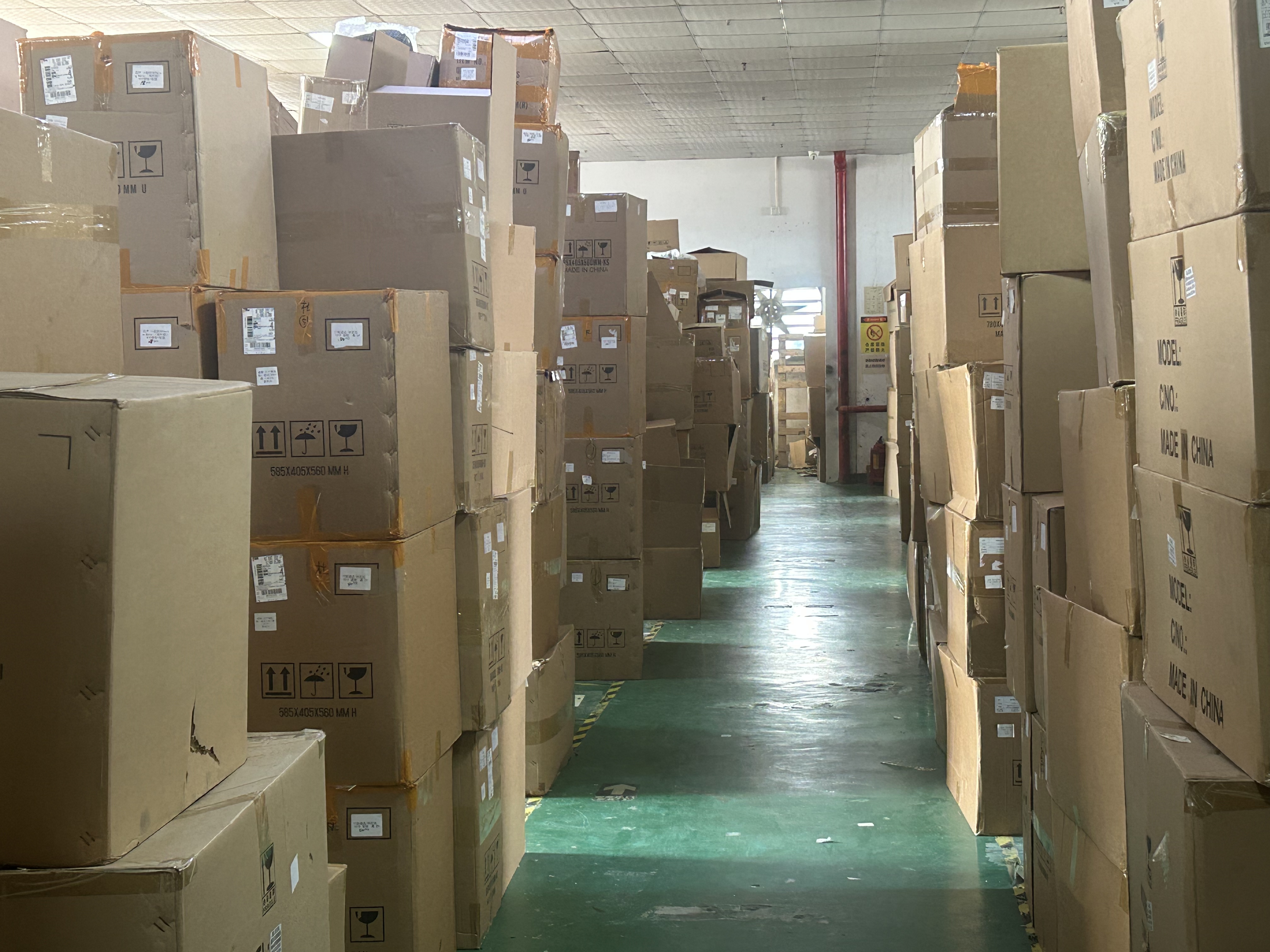
Next step: validate one vehicle before you commit to a container.
Start with a 1-set sample of the ZYX-03 CAN Bus Decoder Module, the matching ZYX-02 wiring harness and the model-specific ZYX-01 fascia kit for your target vehicle. Confirm CAN 2.0A/B coverage, 500 kbps / 125 kbps behaviour and steering wheel control retention on a real dashboard, then scale to bulk under 50-unit MOQ terms.
Shenzhen Zhongyixing Electronic Technology Co., Ltd
Website: www.zyxcaradio.com | Blog: blog.zyxcaradio.com
Email: yueyongfei7@gmail.com | Tel / WhatsApp: +86 159-2064-3862
Address: 5th Floor, Building D, Tianxi Sheng, No.46 Hongyin Road, Loucun Community, Xinhu Street, Guangming District, Shenzhen, China
Download the company profile and full product range: ZYX AUTO Company Profile Brochure (PDF)
Have Questions or Need More Details?
Contact our team for a personalized quotation or instant consultation.
Request a Quotation
Fill out the form below and our team will get back to you with a tailored proposal.
WhatsApp Direct Chat
Prefer to chat in real-time? Message us on WhatsApp for instant assistance & quick answers.
- Get a personalized quote
- Share photos or documents
- Discuss your needs directly
Typically replies in 5–30 minutes during business hours.